Every parent aspires to provide a safe and nurturing environment for their children. In this context, learning first aid specifically tailored for infants and children is not just beneficial – it’s essential. The ability to respond effectively in a medical emergency can make a critical difference in the outcome.
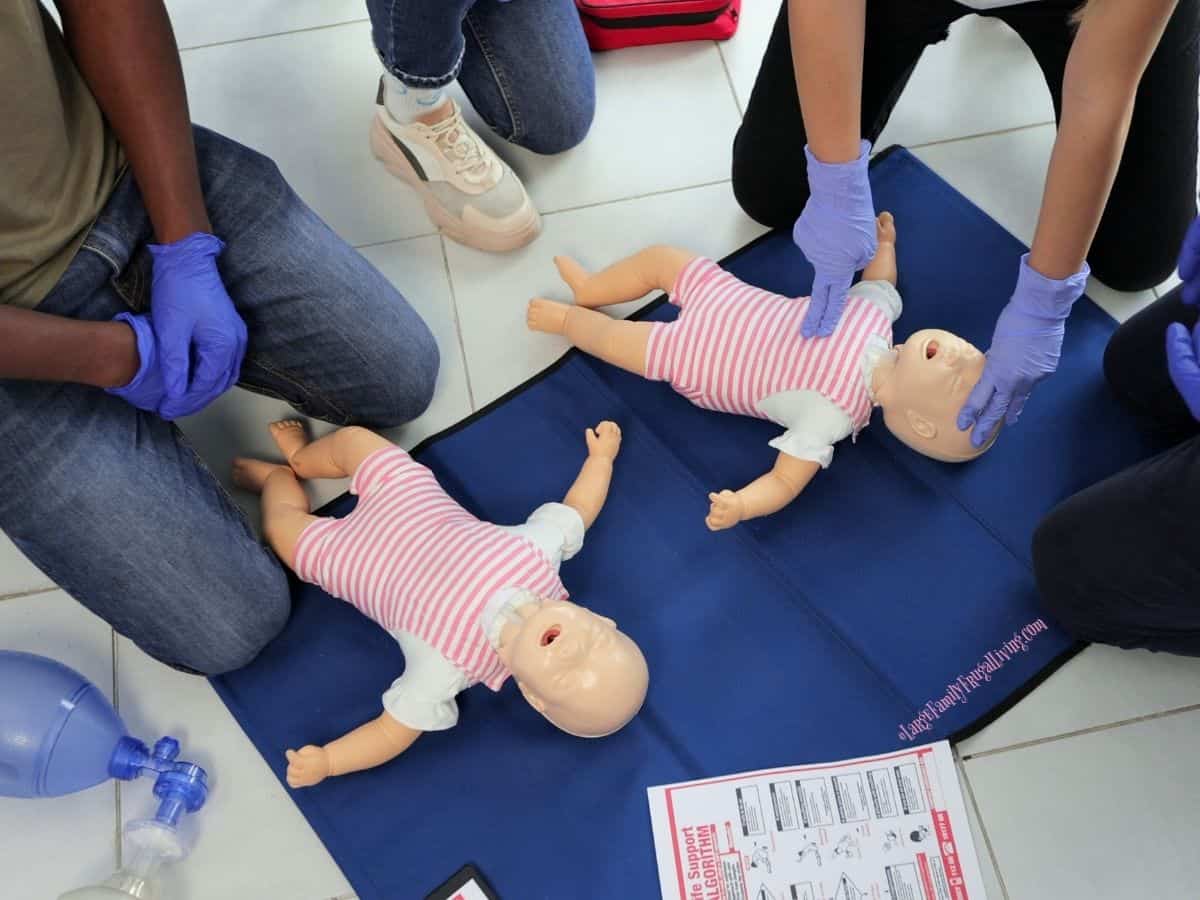
This is why a pediatric first aid course is a must for every caregiver. Such courses cover everything from basic wound care to handling severe emergencies, ensuring parents are well-prepared. These courses often include CPR training, which is vital in life-threatening situations like drowning or cardiac events.
Empowering Parents Through Knowledge and Skills
One of the key benefits of these courses is the empowerment they provide. Parents learn to handle a wide range of situations, from minor injuries like cuts and bruises to life-threatening emergencies such as choking or severe allergic reactions. This training demystifies the process of providing first aid, making it less daunting for parents to step in when needed. With hands-on practice and expert guidance, parents gain the confidence to act quickly and effectively. Furthermore, this knowledge helps reduce panic, enabling parents to make informed decisions during a crisis.
Knowing Children’s Unique Medical Needs
Children are not just small adults; their medical needs are distinct. A course focused on their specific needs educates parents about the physiological differences between children and adults. This understanding is crucial when dealing with emergencies, as the symptoms and treatments can vary significantly.
For instance, administering first aid for a choking infant differs greatly from that for an adult. Knowing these nuances can be the difference between life and death. Also, such courses often cover common childhood illnesses, giving parents insights into recognizing and managing them.
Creating a Safe Environment at Home
Beyond emergency response, these courses often cover preventive measures. They teach parents how to create a safer home environment, minimizing the risk of accidents. This knowledge is invaluable, as most accidents involving children occur in the home.
Parents learn not only how to react to accidents but also how to proactively prevent them. For example, they might learn about child-proofing their home to prevent common injuries. These preventive strategies extend beyond the home, helping parents anticipate and manage hazards in various environments.
Building a Community of Prepared Caregivers
When parents undertake this training, they also contribute to building a community of prepared caregivers. In emergencies, a trained parent can be an invaluable asset not just to their own family but also to their community. This collective knowledge can enhance the safety and well-being of all children in the neighborhood. It fosters a sense of collective responsibility and readiness that can be incredibly reassuring. Additionally, when more people are trained in pediatric first aid, it creates a network of support for parents, enabling them to help each other in times of need.
Strengthening the Parent-Child Bond
Lastly, the confidence gained from this training can positively affect the parent-child relationship. Children feel safer and more secure when they know their parents can handle emergencies. This sense of security is fundamental to their development and well-being. When children observe their parents managing emergencies calmly and competently, it builds their trust and respect. Moreover, it sets a positive example, teaching them the importance of being prepared and learning life-saving skills.
Conclusion
Pediatric first aid training is more than just a set of skills; it’s an essential component of responsible parenting. By equipping themselves with this knowledge, parents can ensure not only the physical safety of their children but also contribute to their overall sense of security and well-being. It’s a proactive step towards ensuring the family is ready to face any medical challenges.
~ Guest post by Emma Watson