
Maintaining a healthy and vibrant lawn is a priority for many homeowners. However, traditional lawn care practices often involve excessive water usage, contributing to water scarcity and environmental degradation. Homeowners can achieve a beautiful lawn by adopting water conservation strategies and utilizing efficient sprinklers while minimizing their ecological footprint. Here are five effective strategies for sustainable lawn care:
#1. Choose Drought-Tolerant Grass Varieties
The grass on your lawn matters! When selecting one for your lawn, opt for species that are native to your region and have drought-tolerant characteristics. Examples of these are tall fescue, bermudagrass, and Zoysia grass. These grasses have evolved to thrive in local conditions, requiring less water to survive. By choosing the right grass type, you can significantly reduce water consumption without compromising the beauty of your lawn.
#2. Develop a Watering Schedule:
Establishing a proper watering schedule is essential for sustainable lawn care. Overwatering is not only wasteful but also harmful to the health of your lawn! In order to ensure efficient water usage, water your lawn deeply but infrequently. This encourages deep-root growth and makes the turf more resilient to drought. Watering during the early morning or late evening minimizes evaporation, allowing the soil to absorb water effectively. Doing this can reduce water consumption while keeping your lawn healthy and green.
#3. Utilize Smart Irrigation Technology
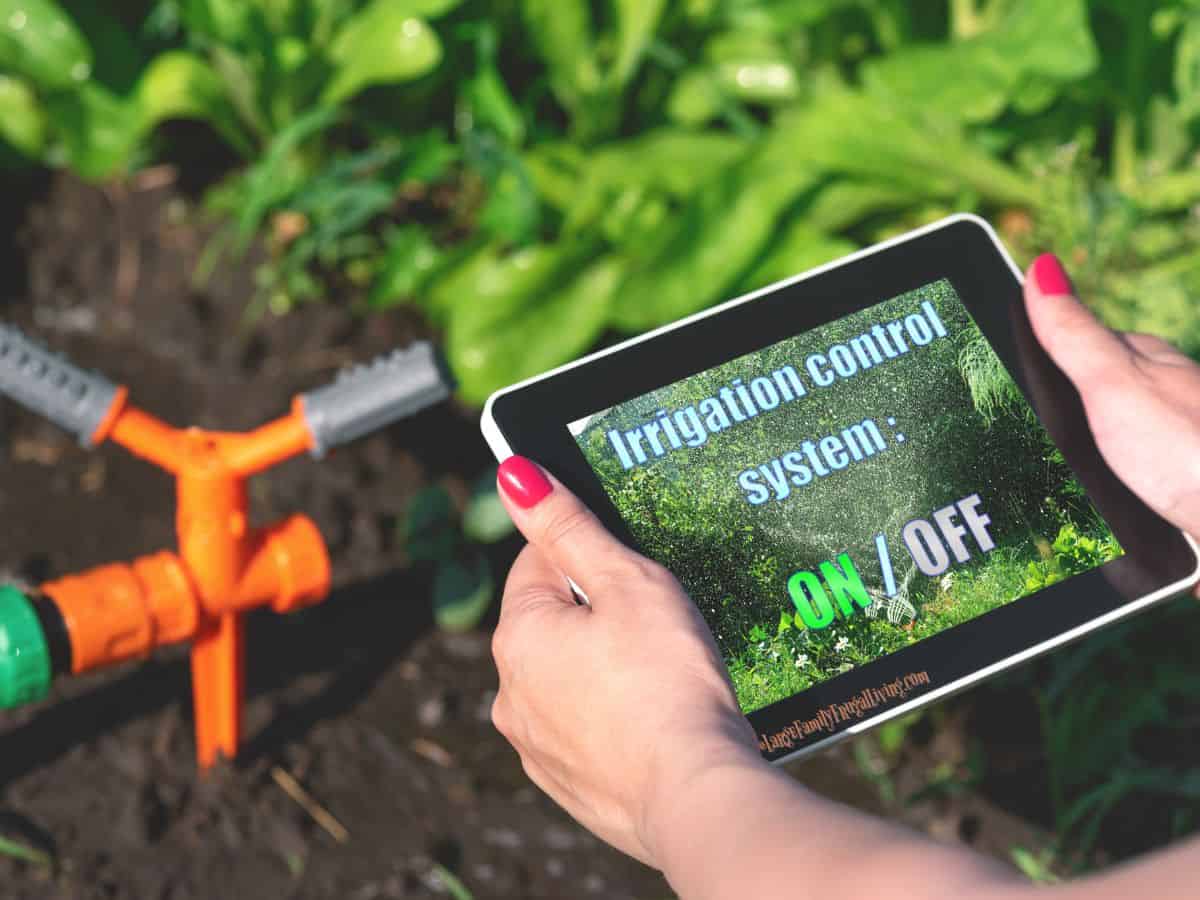
Modern advancements in irrigation technology offer significant opportunities for water conservation. Smart sprinkler systems with weather sensors and moisture detectors can adjust watering schedules based on real-time conditions. These systems can automatically reduce or skip irrigation cycles during rainy periods or when the soil is moist. Suppose you are interested in one; you can opt for them through your local lawn care professionals, such as Heroes Lawn Care.
#4. Embrace Micro-Irrigation Methods
Incorporating micro-irrigation techniques, such as drip irrigation or soaker hoses, can significantly enhance water conservation efforts. Unlike traditional sprinklers, which can result in water loss through evaporation or runoff, micro-irrigation delivers water directly to the root zone of plants. This targeted approach minimizes water waste and promotes efficient water absorption by plants, ensuring their health while conserving water resources.
#5. Use Mulch to Conserve Water
Another great way to conserve water and maintain a healthy lawn is by incorporating mulch. Adding a layer of organic mulch in your garden helps retain soil moisture, keeping the ground from drying out rapidly. This reduces the need for frequent irrigation and protects plants from extreme temperature fluctuations. Furthermore, mulch helps suppress weed growth and adds nutrients to the soil, encouraging strong turf development.
#6. Implement Proper Lawn Maintenance Practices
Effective lawn maintenance practices contribute significantly to water conservation. Proper mowing techniques, for example, can help reduce water evaporation and promote healthy growth. Mow your lawn at the appropriate height, as taller grass shades the soil, reducing water loss through evaporation. Leaving grass clippings on the lawn acts as a natural mulch, helping retain moisture and providing nutrients to the soil.
Furthermore, responsible fertilization and pest control are also crucial! Overuse of fertilizers and pesticides harms the environment and can lead to increased water pollution. Follow the recommended application rates for fertilizers and choose organic or eco-friendly alternatives when possible. Integrated pest management techniques, such as biological controls and proper lawn hygiene, can help minimize the need for chemical treatments and promote a healthy balance within your lawn ecosystem.

In conclusion, water conservation and efficient sprinkler usage are essential for sustainable lawn care. By selecting drought-tolerant grass varieties, developing a watering schedule, embracing smart irrigation technology, using mulch, utilizing micro-irrigation methods, and implementing proper lawn maintenance practices, homeowners can achieve an aesthetically pleasing lawn and environmental responsibility.