When it comes to replacing your roof, you want to know that you’re getting something that’s going to last. After all, you’re probably investing significantly in your home. You don’t just want a bunch of junk.
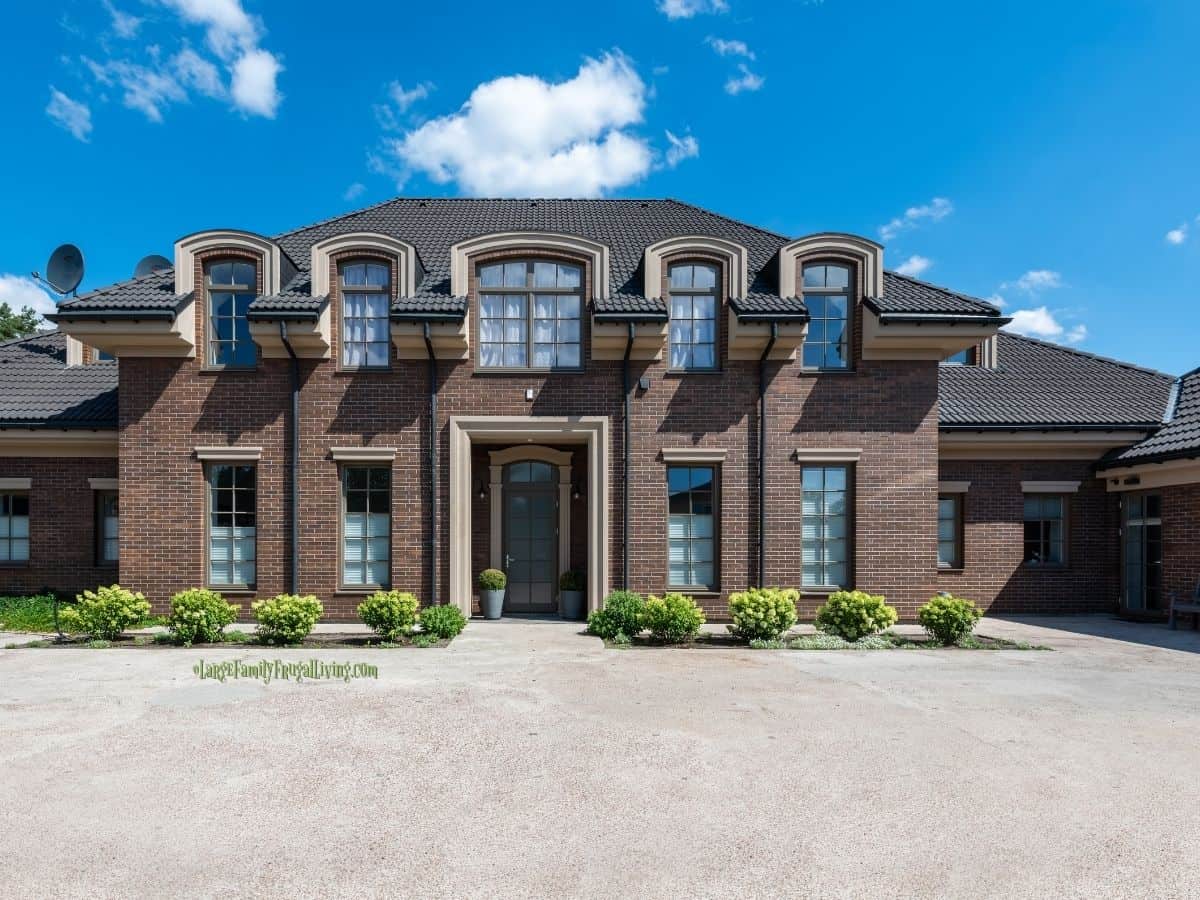
That’s where this post can help. This tier list runs through different roofing materials and what you can expect from them in terms of lifespan.
S-Tier: The Longest-Lasting Roofs
The longest-lasting roofs can survive for an incredible length of time without maintenance, often longer than the average person lives! But which materials are up there?
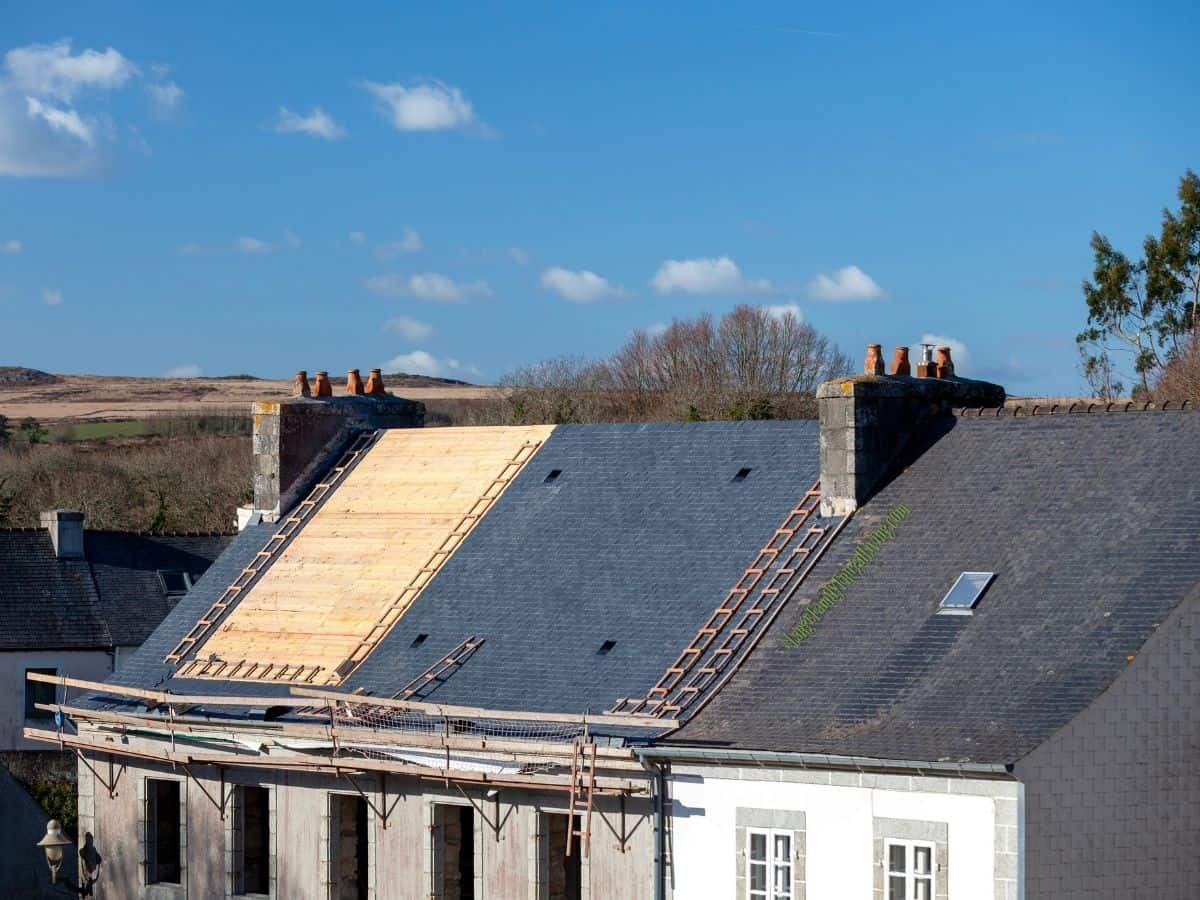
Slate is perhaps the most robust. Nobody really knows how long it can protect homes as a roofing material, but current estimates are anywhere from 75 years to 200 years. Modern installations tend to be higher quality than those on traditional buildings, so new builds with this material may last even longer before requiring replacement.
Clay and concrete tiles are also pretty good. These last from 50 to 100 years, according to estimates (but may survive longer in less rainy regions exposed to less sunlight).
Copper roofs are also surprisingly good, which is why they make the S-tier. They also last a similar length of time.

A-Tier: Durable Roofs
Composite tiles and standing seam metal roofing both fall into the A-tier of roofing materials. Composites, for example, mimic natural slate, but don’t quite have the same durability, lasting up to 50 years, which is far longer than standard roofing materials. Seam metal is similarly durable, but not quite at the same level as copper.
For the average homeowner, picking a material from the A-tier offers the absolute best balance between total longevity and upfront affordability. Pulling the trigger on a full roof replacement using standing seam metal or high-grade composites means you are essentially fixing your home’s overhead protection for the next half-century.
While S-tier choices like genuine slate sound amazing on paper, their extreme weight often requires expensive structural framing reinforcements before installation can even begin. A-tier options give you that premium, ultra-modern aesthetic and elite weather defense without the massive construction headaches. They handle intense wind, heavy snow loads, and UV exposure like absolute champions, making them a top-tier upgrade for anyone wanting elite durability on a realistic budget.
B-Tier: Somewhat Durable
Expert contractors, like A&J Professional Services, usually put asphalt shingles and perhaps wood shakes in this category. These materials last between 20 and 30 years, and can sometimes be serviced every few years to make them last longer when economical. The upside of these roofs is that they are a fraction of the price of the S-tier materials mentioned above, which is why they are so common on many homes.
C-Tier: Okay
C-tier roofing materials include things like 3-tab asphalt shingles and modified bitumen. These will typically last for 15 to 20 years before requiring replacement, which can make the value proposition a little lower. You often see these options on flat roofs with low grades for water draining, or in harsh climates where temporary structures are required.
D-Tier: Poor
D-tier roofing materials are okay for some budget constructions, but you don’t usually see them being used on actual properties. For example, some flat or low-slope roofs have roll roofing. This is cheap but will only last 10 to 15 years, and sometimes less. It’s also prone to leaks because of how easily it attracts holes.
F-Tier: Terrible
The worst roofing materials are things like mud and corrugated metal. These options simply won’t keep the weather out and can’t survive harsh conditions for long. The average person won’t ever use these roof types because they are so unreliable, and they certainly aren’t worth it on new builds.
So there you have it: the longest-lasting roofing materials ranked.